

Shopping for clothing can be confusing, especially when sizes vary between brands. One brand’s medium might fit like another’s small or large. These differences arise from variations in design philosophy, target demographics, and historical measurements used by brands. Even regional influences affect sizing, as brands adjust patterns to reflect the body shapes and preferences of their primary markets. Fabric stretch, cut style, and garment intended fit—such as slim, relaxed, or oversized—also contribute to inconsistencies. Understanding why sizing standards differ can help shoppers make better choices and reduce frustration when buying clothes online or in stores.
Design Philosophy and Target Audience
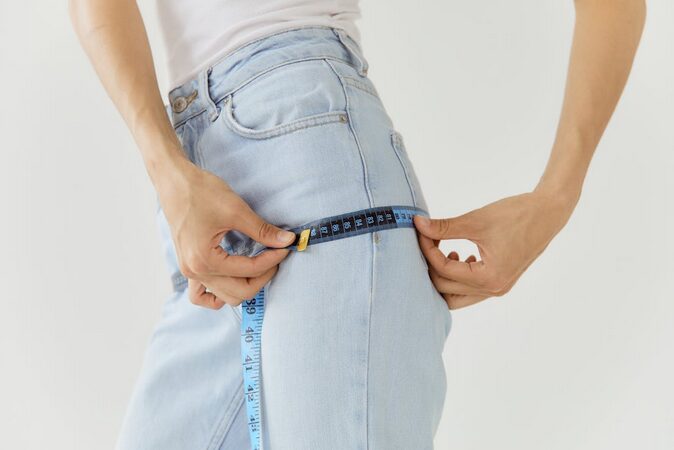
Each fashion brand approaches sizing differently based on its design goals and audience expectations. Some brands aim for modern, slim silhouettes, while others prefer relaxed or oversized fits. Target demographics, including age range, gender, and lifestyle, influence the dimensions used in pattern making. For example, a brand catering to younger consumers may produce smaller cuts, whereas a brand focused on comfort may allow extra room. This intentional variation means that even garments labeled with the same size can feel very different depending on the brand’s design philosophy.
Regional and Historical Influences
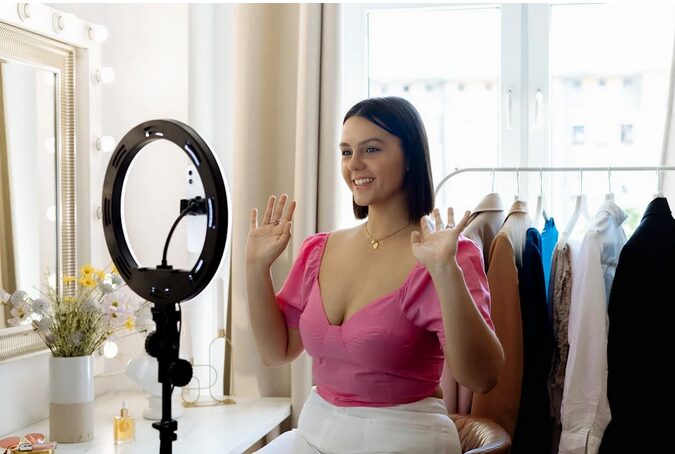
Sizing standards also differ due to regional variations and historical measurement practices. European, American, and Asian brands often use different units, body proportions, and measurement charts. Over time, these practices become embedded in a brand’s production process, creating unique sizing conventions. Even global brands may adjust cuts to fit better specific markets, such as offering slightly longer sleeves or wider shoulders in certain regions. Historical standards can persist, influencing modern sizing even as average body shapes evolve, adding another layer of variation between brands.
Fabric, Fit, and Garment Construction
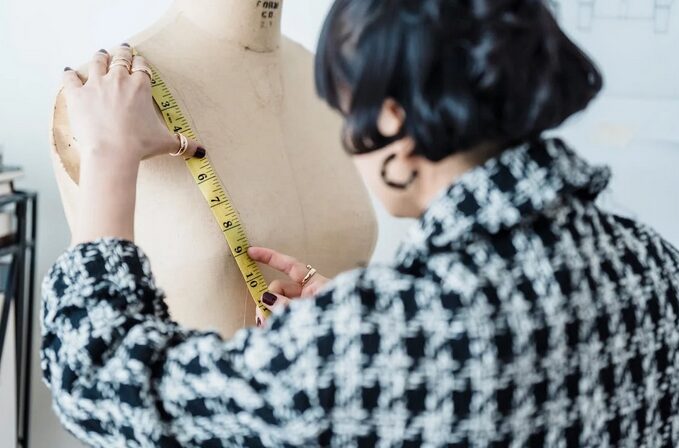
The fabric type and the intended garment fit further affect sizing perception. Stretchy materials can accommodate a wider range of …

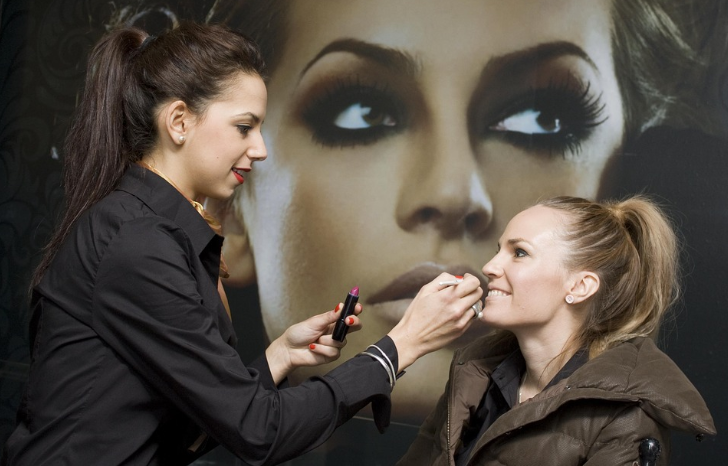
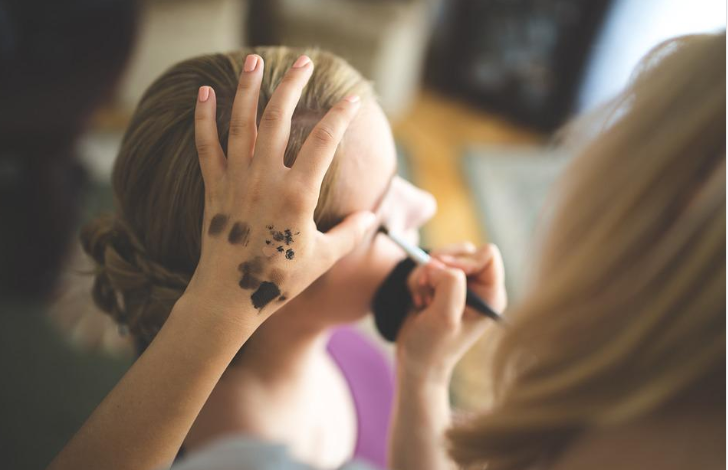 By becoming a makeup artist, you can have the freedom to work from anywhere in the world. Whether you want to travel and work in different countries or simply work from home, being a makeup artist gives you that flexibility. There are many opportunities for makeup artists to find work worldwide. You can work on film sets, fashion shows, department stores, and more. If you love the idea of traveling and working in different places, then becoming a makeup artist is the perfect career for you.
 If you love meeting new people and making them feel good about themselves, becoming a makeup artist is a great career choice. You’ll get to meet all …
 Silver is Timeless